
How to Attract Clients to Your Massage Practice
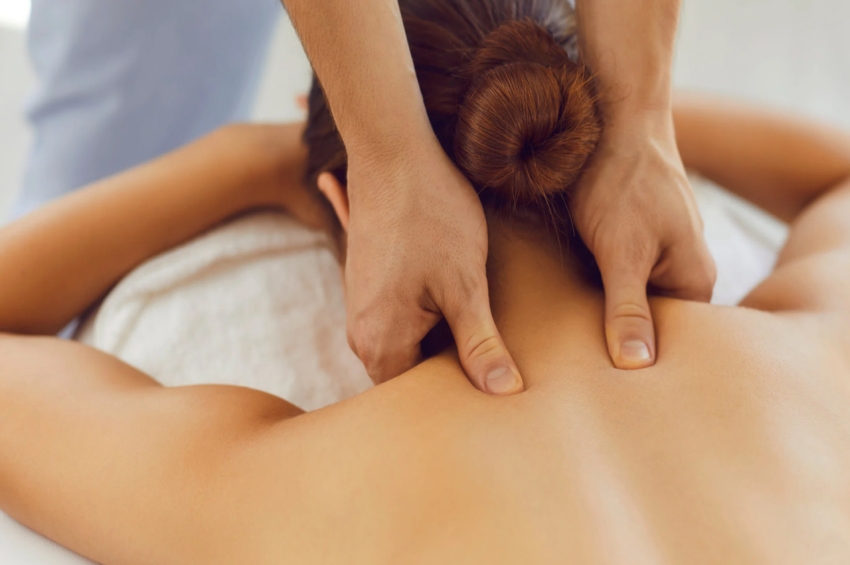
How to Attract Clients to Your Massage Practice
Building a full massage schedule takes more than excellent hands-on skill. Clients also need to find you, trust you, understand what makes your practice different, and have an easy way to book. Current marketing guidance for massage therapists consistently points to a balanced approach: strengthen your local visibility, create a professional online presence, encourage referrals and reviews, and keep existing clients engaged so they return regularly.
Start with a Clear Niche and Message
One of the most effective ways to attract the right clients is to stop trying to appeal to everyone. A clear niche helps potential clients quickly recognize that your services match their needs. For example, you might focus on stress relief, pain management, prenatal massage, sports recovery, lymphatic work, relaxation massage, or care for office workers with neck and shoulder tension. Your website, social media posts, printed materials, and conversations should all communicate who you help, what problems you address, and what clients can expect from working with you.
A strong message might answer three simple questions: Who do you serve? What result do you help them achieve? Why should they choose your practice? When your message is specific, clients are more likely to remember you and recommend you to others.
Make It Easy for Clients to Find and Book You
Many people search online when they are ready to schedule a massage, so your digital presence should be simple, current, and easy to use. A professional website acts like a virtual front desk: it should list your services, location, credentials, pricing, policies, and booking options. Sources on massage marketing emphasize the importance of local search visibility, Google Business Profile updates, reviews, mobile-friendly booking, and clear calls to action.
- Claim and update your Google Business Profile with accurate hours, services, photos, and contact information.
- Use location-based wording on your website, such as “therapeutic massage in [your city]” or “deep tissue massage near [neighborhood].”
- Add an online booking link so clients can schedule without waiting for a call back.
- Keep your website mobile-friendly because many clients search and book from their phones.
- Include professional photos of your space so new clients know what to expect.
Build Trust Through Reviews, Referrals, and Education
Massage is a trust-based service. New clients often want reassurance before booking, especially if they are trying a new therapist for the first time. Positive reviews, testimonials, and personal referrals help reduce hesitation. Ask satisfied clients to leave a review soon after their appointment, when the experience is still fresh. Respond professionally to reviews and thank clients for their feedback. You can also invite clients to refer friends, family members, coworkers, or healthcare providers who may benefit from your services.
Education is another powerful trust-builder. When you share helpful information, you position yourself as a knowledgeable wellness professional rather than simply a service provider. Short posts, handouts, emails, or blog articles can explain massage benefits, self-care tips between sessions, posture awareness, stress management, or when to choose different massage modalities.
- Create a simple referral program, such as a small credit toward a future session.
- Give business cards or referral cards to loyal clients and allied professionals.
- Ask for testimonials that describe the client’s goal and outcome, not just “great massage.”
- Share educational content that answers common client questions.
Keep Existing Clients Coming Back
Attracting new clients matters, but retention is often the most affordable way to grow a massage practice. A client who rebooks regularly creates stability, predictable income, and more word-of-mouth referrals. The best time to encourage rebooking is at the end of the session, while the client is experiencing the value of the work. Instead of asking a vague question like “Do you want to come back?” make a professional recommendation based on their goals: “Based on what we worked on today, I recommend another session in three weeks.”
You can also use email or text reminders to stay connected. Send appointment reminders, birthday greetings, seasonal self-care tips, last-minute openings, package specials, or gentle follow-ups to clients who have not booked in a while. The key is to be helpful rather than pushy.
Connect with Your Local Community
Massage practices grow well when they become visible in the community. Partnerships with local businesses and wellness professionals can introduce you to people who already value health and self-care. Consider building relationships with chiropractors, physical therapists, yoga studios, gyms, salons, doulas, athletic clubs, senior centers, and corporate wellness coordinators. You can offer short educational talks, chair massage at events, gift certificate promotions, or cross-referral arrangements when appropriate and ethical.
Community marketing works best when it is consistent. Show up regularly, be professional, and focus on service. People are more likely to book with a massage therapist they have met, heard speak, or seen recommended by someone they trust.
Simple Client-Attraction Checklist
- Define your ideal client and the main problem your massage work helps solve.
- Update your website and Google Business Profile so clients can find accurate information quickly.
- Make booking easy with a visible online scheduling option.
- Ask happy clients for reviews and referrals.
- Post useful educational content rather than only sales messages.
- Follow up with current clients and recommend a rebooking schedule when appropriate.
- Build relationships with nearby wellness, fitness, and healthcare-adjacent businesses.
- Track which efforts bring in appointments so you can repeat what works.
In the end, attracting clients to a massage practice is about visibility, trust, and consistency. A beautiful treatment room and skilled technique are important, but clients must first know you exist and feel confident enough to schedule. By combining a clear niche, strong local online presence, meaningful referrals, helpful education, and consistent follow-up, you create a reliable system that brings new clients in and encourages current clients to return. Over time, these small repeated actions can turn a quiet appointment book into a thriving, sustainable massage practice.
Sources
- American Massage Therapy Association. “Six Ways to Market Your Massage Practice.”
- American Massage Therapy Association. “Growing Your Practice: Marketing 101.”
- WellnessLiving. “Massage Therapy Marketing: 15 Effective Ideas to Explore.”
- MassageBook. “Massage Therapy Marketing.”