Lymphatic Drainage Massage
Lymphatic Drainage Massage: Techniques, Benefits, and What Massage Therapists Should Know
Lymphatic drainage massage is a specialized form of bodywork that uses gentle, rhythmic movements to encourage the movement of lymphatic fluid through the body's lymphatic system. Unlike traditional massage techniques that focus primarily on muscles and other soft tissues, lymphatic drainage emphasizes the superficial lymphatic vessels located just beneath the skin. The technique has become increasingly recognized in massage therapy and healthcare settings, particularly for its role in managing certain types of swelling and supporting lymphatic function. Understanding how the lymphatic system works, when lymphatic drainage may be appropriate, and the precautions associated with this technique can help massage therapists make informed treatment decisions and expand their professional knowledge.
What Is Lymphatic Drainage Massage?
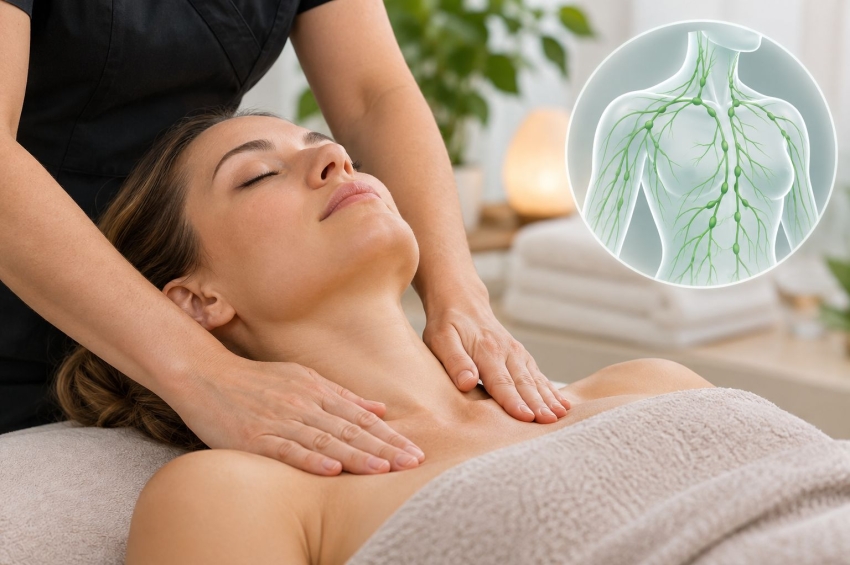
Lymphatic drainage massage, also known as manual lymphatic drainage (MLD), is a gentle, specialized technique designed to support the movement of lymphatic fluid. It involves slow, repetitive movements that stretch the skin lightly rather than applying the deeper pressure commonly associated with Swedish or deep tissue massage. Manual lymphatic drainage techniques were developed into structured treatment approaches during the twentieth century, with several recognized methods used today, including the Vodder, Földi, Casley-Smith, and Leduc approaches. Although these methods differ in certain applications, they share the principle of using carefully directed, gentle movements to support lymphatic fluid transport.
Lymphatic drainage massage is frequently discussed in connection with lymphedema, postoperative swelling, and certain medical conditions affecting fluid circulation. However, its suitability depends on the underlying cause of swelling, the client's medical history, and the therapist's training. While lymphatic drainage may be incorporated into treatment plans for selected conditions, it should not be viewed as a universal solution for swelling or a substitute for appropriate medical care.
Understanding the Lymphatic System
The lymphatic system is an essential component of the body's circulatory and immune systems. It consists of lymphatic capillaries, collecting vessels, lymph nodes, and larger lymphatic structures that work together to transport excess fluid from the tissues back into the bloodstream. As blood circulates through the body's smallest vessels, some fluid moves into the surrounding tissues. Much of this fluid returns directly to the blood circulation, while the lymphatic system collects the remaining fluid, along with certain proteins and other substances. Once collected, this fluid is known as lymph, which travels through a network of lymphatic pathways before eventually returning to the venous circulation.
Unlike the cardiovascular system, which relies on the heart as its primary pump, lymphatic circulation depends on several mechanisms, including skeletal muscle movement, breathing, pressure changes, and contractions within the lymphatic vessels themselves. Lymph nodes also play an important role by filtering lymph and housing immune cells that help the body recognize and respond to potentially harmful substances. When lymphatic transport becomes impaired, fluid may accumulate within the tissues, resulting in swelling. Persistent swelling associated with inadequate lymphatic drainage is known as lymphedema, a condition that may require specialized treatment and ongoing management.
How Manual Lymphatic Drainage Works
Manual lymphatic drainage uses specific movements intended to encourage fluid transport through functioning lymphatic pathways. Because many initial lymphatic vessels are located close to the skin's surface, the technique generally requires significantly less pressure than traditional therapeutic massage. During a lymphatic drainage session, the therapist applies gentle, rhythmic skin-stretching movements in carefully selected directions. These movements are typically slow and repetitive, with the pressure gradually increasing and releasing during each application. Rather than working deeply into muscular tissues, the therapist focuses on influencing superficial structures associated with lymphatic transport.
Treatment sequences are based on lymphatic anatomy, the location of swelling, and the client's individual condition. In clinical lymphedema management, practitioners may begin by addressing areas closer to the trunk before working with more distant regions. This approach is intended to support fluid movement toward functioning drainage pathways. Lymphatic drainage should not involve forceful kneading, aggressive friction, or deep pressure because excessive force may compress superficial lymphatic vessels rather than support the intended movement of fluid. For clients with medically diagnosed lymphedema, manual lymphatic drainage may be incorporated into a broader treatment program that includes compression, exercise, skin care, and education rather than being used as an isolated intervention.
Potential Benefits of Lymphatic Drainage Massage
The potential benefits of lymphatic drainage depend largely on the client's condition and the purpose of treatment. Some applications are supported by clinical experience and research, while others remain uncertain or require additional scientific investigation. Massage therapists should understand these distinctions so they can communicate realistic expectations and avoid making claims that extend beyond the available evidence.
Supporting Lymphedema Management
One of the most recognized applications of manual lymphatic drainage is the management of lymphedema, a condition that develops when the lymphatic system cannot adequately transport fluid away from the tissues. Lymphedema may occur following cancer treatment, lymph node removal, radiation therapy, injury, or certain congenital abnormalities affecting lymphatic development. Manual lymphatic drainage may be used as one component of complete decongestive therapy, a comprehensive treatment approach that commonly includes compression therapy, therapeutic exercise, skin care, and patient education. Research findings regarding the additional benefit of manual lymphatic drainage vary, and although it may be helpful for selected patients, it should not be described as a universally effective stand-alone treatment for lymphedema.
Managing Certain Types of Swelling
Lymphatic drainage may be appropriate for some individuals experiencing swelling associated with impaired lymphatic transport. In selected postoperative situations, trained healthcare professionals may use lymphatic techniques as part of a medically supervised recovery program. However, swelling can have many causes, including infection, blood clots, heart conditions, kidney disease, and medication effects. Massage therapists should never assume that unexplained swelling is caused by sluggish lymphatic circulation. New, sudden, painful, or unexplained swelling requires appropriate medical evaluation before lymphatic drainage techniques are considered, particularly when symptoms involve only one extremity or are accompanied by warmth, redness, or other concerning changes.
Promoting Comfort and Relaxation
The gentle, rhythmic nature of lymphatic drainage massage may provide a calming experience for some clients. Because the technique typically involves light pressure and repetitive movements, it may be suitable for individuals who find deeper massage uncomfortable. Relaxation and improved comfort are reasonable goals when the technique is appropriately selected, particularly for clients who prefer lighter touch or have difficulty tolerating more vigorous massage methods. However, these effects should be distinguished from claims that lymphatic drainage can treat unrelated medical conditions, and therapists should avoid promising specific physiological outcomes that have not been established through research.
Understanding Claims About Detoxification
Lymphatic drainage is frequently promoted as a method of removing toxins, strengthening immunity, or producing rapid weight loss. These claims often extend beyond what scientific evidence supports. The lymphatic system naturally participates in fluid balance and immune function, but manual lymphatic drainage has not been shown to remove unspecified toxins or produce meaningful fat loss. The liver, kidneys, and other physiological systems perform essential roles in processing and eliminating waste products. Massage therapists should use accurate explanations of lymphatic function rather than promising detoxification, immune enhancement, or weight-loss results, particularly when discussing treatment benefits with clients who may have encountered misleading promotional information.
Common Lymphatic Drainage Massage Techniques
Manual lymphatic drainage incorporates several characteristic movements that differ from conventional massage strokes. Although individual training systems use different terminology, many techniques involve gentle skin stretching, rhythmic pressure changes, and controlled movement directions. These movements are intended to influence superficial lymphatic structures without the deeper pressure commonly used to address muscular tension.
- Stationary circles: These movements involve placing the hands or fingers against the skin and creating small, controlled circular motions. Rather than sliding across the surface, the therapist gently stretches the skin and allows it to return to its resting position. Stationary circles may be incorporated into treatment sequences for different body regions according to the practitioner's training.
- Pump movements: Pump techniques use a carefully controlled hand position and rhythmic pressure to create a gentle stretching action. These movements are commonly associated with certain regions of the extremities and are performed in a direction consistent with the treatment approach and intended lymphatic pathway.
- Scoop movements: Scoop techniques combine a gentle stretching action with a curved hand movement. The technique is intended to follow selected lymphatic pathways while avoiding excessive pressure, allowing the therapist to maintain controlled contact throughout the movement.
- Rotary movements: Rotary techniques use broad, controlled hand contact and rhythmic skin stretching. They may be applied to larger body regions according to the treatment approach, with the therapist adjusting hand placement and movement direction based on the anatomical area being addressed.
The effectiveness and safety of these techniques depend on appropriate pressure, positioning, sequencing, and knowledge of lymphatic anatomy. Simply applying light massage strokes does not necessarily constitute properly performed manual lymphatic drainage. Massage therapists interested in incorporating these methods into professional practice should pursue appropriate education and supervised practical training, particularly when working with clients who have diagnosed lymphatic disorders or medically complex conditions.
Indications, Contraindications, and Precautions
Client screening is especially important when considering lymphatic drainage massage because swelling may be associated with conditions requiring medical treatment. Potential indications may include certain forms of medically evaluated swelling, established lymphedema management programs, and selected postoperative recovery situations when treatment has been authorized by the appropriate healthcare professional. Before providing treatment, massage therapists should review the client's medical history, current symptoms, medications, and relevant healthcare recommendations to determine whether the technique is appropriate.
Several conditions require particular caution:
- Suspected deep vein thrombosis: New unilateral swelling, warmth, redness, or pain may indicate a blood clot and requires prompt medical assessment.
- Acute infection or cellulitis: Active infection, particularly when accompanied by fever, spreading redness, warmth, or tenderness, requires medical evaluation rather than massage.
- Uncontrolled heart failure: Increasing fluid movement may be inappropriate for individuals whose cardiovascular system cannot adequately manage fluid volume.
- Significant kidney disease: Fluid-management concerns may require medical guidance before treatment.
- Unexplained swelling: The underlying cause should be evaluated before selecting lymphatic drainage techniques.
- Recent surgery or cancer treatment: Treatment should follow the recommendations of the client's healthcare team and the therapist's level of training.
A history of cancer is not automatically a contraindication to all forms of manual lymphatic drainage. However, clients with active cancer, cancer-related swelling, or complex medical histories may require individualized assessment and coordination with qualified healthcare professionals. Massage therapists should also recognize that clinical lymphedema treatment requires specialized competencies, and completing an introductory lymphatic drainage course does not automatically qualify a practitioner to manage complex medical lymphedema independently. Recognizing these limitations helps protect client safety while supporting appropriate professional collaboration.
How Lymphatic Drainage Differs From Traditional Massage
Although both lymphatic drainage and traditional massage involve manual contact with the body, their primary purposes and methods differ considerably. Traditional Swedish massage commonly incorporates gliding, kneading, friction, and other movements intended to address soft tissue comfort, relaxation, and muscular tension. Deep tissue approaches may use more sustained pressure to work with deeper muscular and fascial structures. Manual lymphatic drainage, by comparison, emphasizes superficial skin movement, carefully selected treatment sequences, and gentle pressure, with the therapist's attention directed toward lymphatic pathways rather than muscle depth or tissue restriction.
These differences influence treatment planning and technique selection. A client seeking relief from general muscular tension may benefit more from conventional massage techniques, while a client with a medically evaluated lymphatic condition may require a specialized treatment approach. Understanding the distinctions between these modalities allows massage therapists to select techniques based on appropriate treatment goals, client preferences, and professional training rather than assuming that one modality is suitable for every situation.
Lymphatic Drainage Massage Continuing Education
Lymphatic drainage is a specialized area of massage therapy that requires an understanding of anatomy, physiology, treatment principles, and client safety. Continuing education can help massage therapists become more familiar with the lymphatic system, understand the principles behind lymphatic drainage techniques, and recognize when specialized treatment may be appropriate. Developing this knowledge may also help practitioners communicate more effectively with clients and healthcare professionals when questions arise about swelling, lymphatic function, or treatment options.
The Center for Massage Therapy Continuing Education offers two courses for massage therapists interested in learning more about this modality:
- Lymphatic Drainage Basics – 8 CE Hours: Introduces foundational information about the lymphatic system and lymphatic drainage principles.
- Lymphatic Drainage Massage – 14 CE Hours: Provides additional education related to lymphatic drainage massage and its applications.
These courses offer opportunities to expand professional knowledge while supporting ongoing massage therapy continuing education. Therapists should verify their state's requirements and determine whether additional practical training or certification is needed for their intended scope of practice, particularly when planning to work with clients who have medically diagnosed lymphatic conditions.
Final Thoughts
Lymphatic drainage massage is a distinctive form of bodywork that emphasizes gentle, rhythmic movements and an understanding of the body's lymphatic pathways. Its applications differ from traditional massage, particularly when working with clients who have swelling or medically diagnosed lymphatic conditions. For massage therapists, the value of learning about lymphatic drainage extends beyond mastering individual hand movements. Understanding lymphatic anatomy, recognizing contraindications, evaluating treatment goals, and communicating accurately about potential benefits are equally important. With appropriate education and careful client assessment, massage therapists can develop a stronger understanding of this specialized modality and make informed decisions about its place within their professional practice.