Massage Therapy Specializations
Massage Therapy Specializations: How to Choose a Specialty and the Continuing Education You Need
Massage therapy offers a wide range of opportunities for professional growth, allowing therapists to develop skills that reflect their interests, experience, and the needs of their clients. While many massage therapists build successful careers offering general therapeutic or relaxation massage, others choose to focus on particular techniques, client populations, or health-related concerns. Developing a specialty can provide greater professional direction, deepen clinical knowledge, and create opportunities to offer more individualized services.
Choosing a massage therapy specialization involves more than learning a new technique. It requires understanding the populations you want to work with, recognizing the additional knowledge and practical skills involved, and determining how specialized training fits within your professional scope of practice. Massage therapy continuing education can support this process by helping therapists explore new subjects, strengthen existing skills, and make informed decisions about their professional development.
What Is a Massage Therapy Specialization?
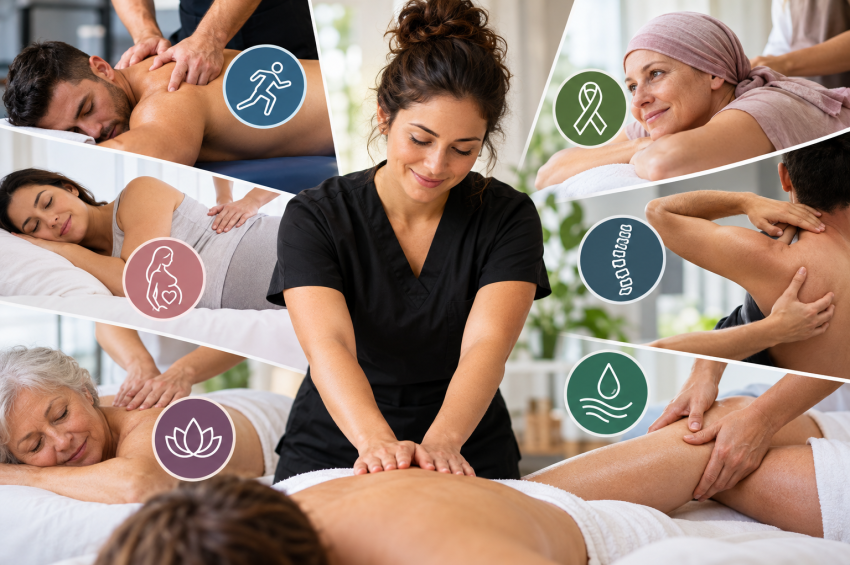
A massage therapy specialization is an area of focused practice that involves additional knowledge, techniques, or experience related to a particular type of client or therapeutic approach. Some specializations focus on specific populations, such as pregnant individuals, older adults, or people affected by cancer. Others emphasize particular approaches to massage, including sports massage, orthopedic massage, and lymphatic techniques.
Specializing does not necessarily mean limiting your practice to one type of massage. Many therapists continue offering general massage services while incorporating additional skills into their treatment planning. For example, a therapist who completes advanced education in orthopedic massage may use that knowledge when working with clients experiencing musculoskeletal discomfort, while still providing relaxation massage to other clients.
It is important to recognize that completing continuing education does not automatically establish professional certification or authorize a therapist to perform services outside their legal scope of practice. Certain specialty areas require additional hands-on training, demonstrated competency, or recognized credentials.
Popular Massage Therapy Specializations to Consider
The massage therapy profession includes numerous specialty areas, each requiring different knowledge and practical skills. Understanding the focus of these specialties can help therapists identify educational opportunities that align with their professional interests.
Sports Massage
Sports massage focuses on the needs of physically active individuals, ranging from recreational exercisers to competitive athletes. Therapists working in this area may adapt their techniques based on a client's activity level, training schedule, physical demands, and recovery needs. Sessions may emphasize comfort, mobility, muscle tension, or preparation for and recovery from physical activity.
Massage therapists interested in sports massage often benefit from additional education in functional anatomy, kinesiology, therapeutic stretching, and musculoskeletal assessment. Understanding how muscles and joints respond to physical activity can help therapists make informed decisions about technique selection and treatment planning.
Oncology Massage
Oncology massage involves adapting massage therapy for individuals who have cancer or are undergoing or recovering from cancer treatment. Because cancer and its treatments can affect multiple body systems, therapists must understand relevant precautions, potential contraindications, and appropriate modifications to pressure, positioning, and session length.
Clients may experience fatigue, neuropathy, surgical changes, fragile skin, or an increased risk of certain complications. Specialized education helps therapists recognize these considerations and determine when additional medical guidance is appropriate. Oncology massage requires thoughtful assessment, careful communication, and training appropriate to the complexity of the client's condition.
Prenatal Massage
Prenatal massage focuses on providing comfortable, appropriately modified massage therapy during pregnancy. As pregnancy progresses, changes in posture, circulation, body mechanics, and physical comfort may influence how massage sessions are planned and performed.
Therapists interested in prenatal massage should understand pregnancy-related considerations, safe and comfortable positioning, pressure modifications, and situations that warrant medical referral. Continuing education in pregnancy massage can help therapists develop the knowledge needed to adapt sessions to different stages of pregnancy while maintaining appropriate professional boundaries and safety practices.
Orthopedic Massage
Orthopedic massage emphasizes the assessment and treatment of soft-tissue concerns associated with movement, posture, and musculoskeletal function. Therapists working in this area often use their knowledge of anatomy and movement to develop individualized massage approaches within their professional scope of practice.
Additional education in functional anatomy, muscle testing, neuromuscular therapy, and common musculoskeletal conditions can support this specialty. Therapists may also study therapeutic stretching and the relationship between soft-tissue function and movement limitations. A strong understanding of assessment, contraindications, and referral considerations is especially valuable.
Lymphatic Massage
Lymphatic massage uses gentle, specialized techniques intended to encourage lymphatic movement. This area of practice requires knowledge of lymphatic anatomy, fluid movement, relevant health conditions, and situations in which massage may be inappropriate or require additional medical guidance.
Therapists interested in lymphatic techniques should understand the distinction between general lymphatic massage education and specialized clinical training for conditions such as lymphedema. Working with medically complex clients may require advanced instruction, additional credentials, or collaboration with qualified healthcare professionals.
Geriatric Massage
Geriatric massage focuses on adapting massage therapy to the needs of older adults. Although aging alone does not determine a person's health or physical abilities, some older clients may experience changes in skin integrity, mobility, circulation, medication use, or tolerance for certain positions and techniques.
Therapists interested in this population may benefit from education in pharmacology, contraindications, chronic health conditions, and massage adaptations for medically complex clients. Understanding how to modify pressure, positioning, and session duration can help create a comfortable and individualized massage experience.
How to Choose the Right Massage Therapy Specialty
Choosing a specialty begins with evaluating your professional interests, existing experience, and long-term goals. A specialty that is appealing to one therapist may not be appropriate for another, particularly when considering physical demands, training requirements, and the types of clients involved.
Your current practice can provide useful insight. Consider which clients you most enjoy working with, which concerns frequently appear during intake, and which subjects motivate you to pursue additional learning. A therapist who regularly works with recreational athletes may naturally develop an interest in sports massage, while someone who enjoys working with older adults may prefer to explore geriatric massage.
Before committing to specialized training, consider several important questions:
- Professional interests: Which massage techniques, client populations, or health-related subjects do you find most engaging?
- Current experience: What knowledge and practical skills have you already developed that could support a specialty?
- Client needs: Are there populations or concerns within your community that align with your interests?
- Training requirements: Will the specialty require hands-on instruction, advanced education, or professional certification?
- Long-term goals: Does the specialty fit your preferred work environment, physical abilities, and career plans?
It is also helpful to consider whether you would enjoy working with the same type of client population regularly. Specialization often involves ongoing study, repeated exposure to similar concerns, and a commitment to maintaining current knowledge. Selecting an area that genuinely interests you can make that professional development more rewarding.
How Massage Therapy Continuing Education Supports Specialization
Continuing education allows massage therapists to build upon the knowledge acquired during their initial professional training. As therapists gain experience, they often identify areas where additional education could improve their understanding of anatomy, client assessment, specialized techniques, or health-related precautions.
Online massage CEUs can provide a convenient starting point for exploring specialty areas. Courses covering subjects such as sports massage, oncology massage, functional anatomy, pharmacology, and pain management can introduce therapists to relevant concepts before they pursue more extensive practical training. This approach allows therapists to evaluate their interests while continuing to meet applicable professional education requirements.
For example, a therapist considering orthopedic massage might begin with continuing education in musculoskeletal anatomy, muscle testing, and therapeutic stretching. Someone interested in working with clients affected by cancer might first explore oncology massage, contraindications, and communication with medically complex clients.
Although online coursework can provide valuable theoretical knowledge, certain techniques require hands-on instruction and supervised practice to develop appropriate competency. Therapists should select educational formats based on the skills being taught rather than convenience alone.
Do You Need Certification to Specialize in Massage Therapy?
The education and credentialing requirements associated with massage therapy specializations vary by specialty, jurisdiction, and the services being offered. Some specialty areas have voluntary professional certifications, while particular services or practice settings may require additional training or credentials.
A continuing education certificate generally documents successful completion of an educational program. It does not necessarily mean that the therapist has earned a recognized specialty certification or demonstrated all practical competencies associated with that area of practice.
Before advertising specialized services, massage therapists should review their state licensing laws, applicable professional standards, and any requirements associated with the specialty they intend to pursue. They should also consider whether additional liability insurance coverage or specific training documentation is appropriate.
Choosing NCBTMB approved massage CEUs can be one way to identify continuing education opportunities offered through an approved provider. However, NCBTMB provider approval should not be confused with specialty certification, and therapists should independently confirm whether a particular course is accepted for their licensing requirements.
Can Massage Therapists Develop More Than One Specialty?
Many massage therapists develop knowledge in several complementary areas throughout their careers. Rather than treating each specialty as completely separate, therapists may find that education in one subject strengthens their understanding of another.
For example, sports massage and orthopedic massage share important foundations in anatomy, movement, and musculoskeletal function. Similarly, therapists interested in working with older adults may benefit from additional education in pharmacology, pain management, and medically informed massage.
Developing multiple specialties can create opportunities to work with a broader range of clients and adapt services more effectively. However, it is important to develop sufficient knowledge and practical competency in each area rather than simply accumulating course completion certificates.
A gradual approach often makes the most sense. Therapists can begin with one area of interest, build a strong educational foundation, gain appropriate experience, and then pursue related subjects as their professional goals evolve.
Creating a Continuing Education Plan for Your Specialty
Once you have identified a specialty that interests you, developing a continuing education plan can help you choose courses with a clear purpose. Instead of selecting classes solely to accumulate required CE hours, consider how each educational experience contributes to your knowledge, practical skills, and long-term professional development.
A useful plan may include the following steps:
- Identify your specialty goals. Determine which client population, technique, or area of practice you want to explore.
- Evaluate your current knowledge. Review your existing education and identify subjects that require additional study.
- Research training options. Compare online courses, hands-on workshops, advanced programs, and any applicable certification pathways.
- Verify continuing education acceptance. Confirm that selected courses meet your state licensing requirements when CE credit is needed.
- Apply and evaluate your learning. Incorporate new knowledge within your scope of practice and seek additional training when necessary.
When comparing massage CE courses, review the course description, learning objectives, instructor qualifications, educational format, and relevance to your professional goals. The best massage CEUs online for your situation are those that address meaningful learning needs, provide appropriate educational depth, and fit your licensing requirements.
Continuing education is most valuable when it supports both professional competence and the quality of services you provide to clients.
Frequently Asked Questions About Massage Therapy Specializations
What is the best massage therapy specialty to pursue?
There is no single specialty that is best for every massage therapist. The right choice depends on your professional interests, current experience, preferred client population, and willingness to complete additional education. Consider which areas you enjoy most and whether the necessary training fits your long-term career goals.
Can I specialize through online massage continuing education?
Online courses can provide foundational knowledge and introduce specialized subjects, but they may not provide all the practical training needed for certain techniques or credentials. Depending on the specialty, hands-on workshops, supervised practice, or advanced certification programs may also be appropriate.
Are massage therapy specializations required?
Massage therapists generally do not need to select a specialty simply to maintain a general massage therapy practice. However, certain services, professional credentials, or work environments may involve additional education or training requirements. Therapists should verify the rules applicable to their jurisdiction and intended services.
How do I find continuing education for a massage therapy specialty?
Start by identifying the skills and knowledge associated with your area of interest. Review relevant course descriptions, compare educational formats, and confirm whether the training meets your professional goals. If you need CE credit for license renewal, verify course acceptance with your state licensing board.
Final Thoughts: Building a Massage Therapy Career Around Your Interests
Massage therapy specializations provide opportunities to deepen professional knowledge, refine practical skills, and develop a career that reflects your interests and the needs of your clients. Whether you are drawn to sports massage, oncology massage, prenatal massage, orthopedic techniques, or another area of practice, choosing a specialty should involve careful consideration of your qualifications, educational needs, and professional goals.
Continuing education can support that journey by helping you explore new subjects and build upon your existing training. By selecting relevant courses, pursuing appropriate hands-on experience, and maintaining a commitment to safe, ethical practice, you can develop specialized knowledge that complements your overall massage therapy skills.
At MassageTherapyCEU.com, we offer a wide range of massage therapy continuing education courses covering specialized techniques, anatomy, health conditions, professional ethics, and other important areas of massage practice. Explore our online massage CEUs to find educational opportunities that support your license renewal requirements and help you take the next step in your professional development.